Get Tree Curbing Installation
Tree curbing installation services help property owners prevent tree damage, control growth, and improve safety by providing professional barriers around trees for various landscaping projects.
Tree curbing installation is an important consideration for property owners looking to enhance the safety, appearance, and functionality of their outdoor spaces. Properly installed tree curbing helps define landscape features, protect trees from damage, and create a clean, finished look around planting areas. Whether planning a new landscape project or maintaining existing features, exploring local contractors who specialize in tree curbing can provide valuable insights and options tailored to specific property needs.
For those in the area assessing different service providers, comparing local contractors ensures access to experienced professionals familiar with regional landscape conditions. Engaging with local pros can help property owners make informed decisions about the best approaches to tree curbing installation, ensuring the work aligns with their property’s unique characteristics and long-term goals. Keep reading to discover how connecting with qualified local service providers can support your landscape planning and improvement efforts.
- Tree Curbing Installation - when property owners need to define landscape boundaries or prevent tree encroachment.
- Tree Curbing Installation - for those seeking to improve curb appeal and create a polished, finished look around trees.
- Tree Curbing Installation - when installing new trees and wanting to protect surrounding areas from root damage.
- Tree Curbing Installation - to contain mulch or decorative materials and keep them in place around trees.
- Tree Curbing Installation - during landscape renovations or property upgrades requiring defined planting areas.
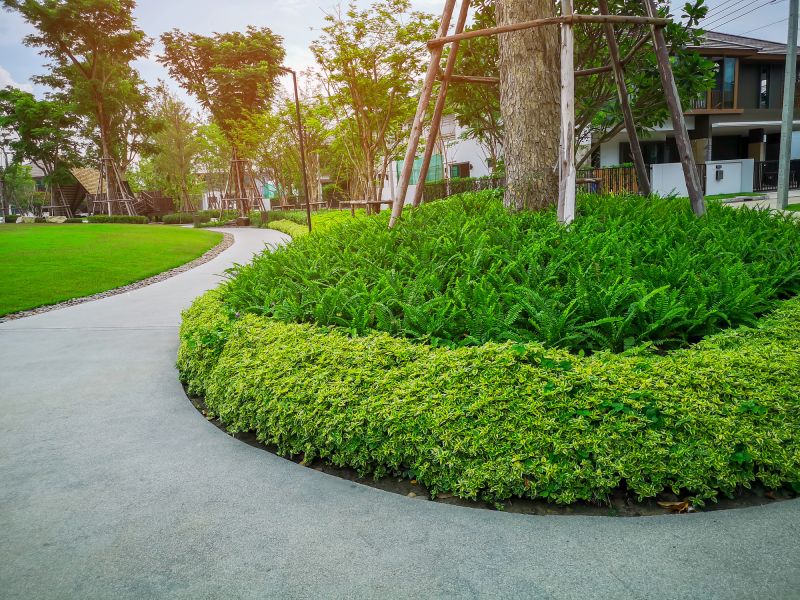
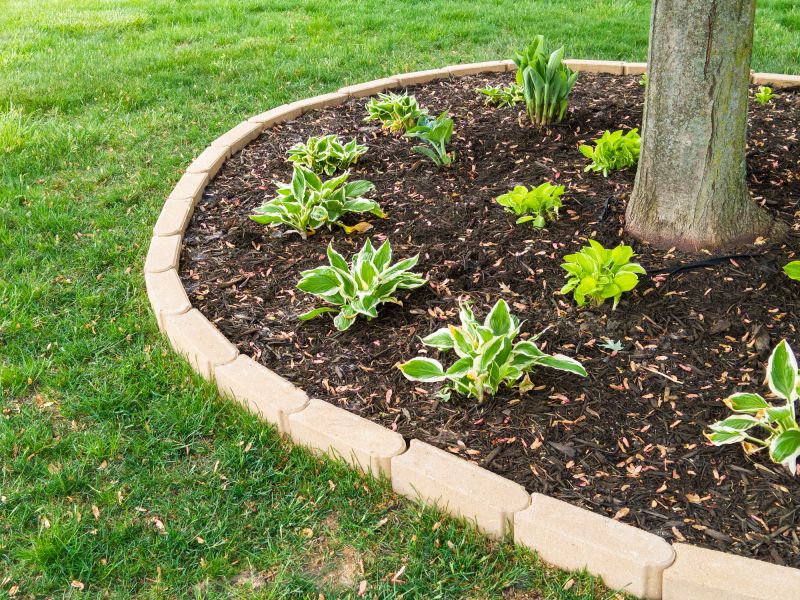
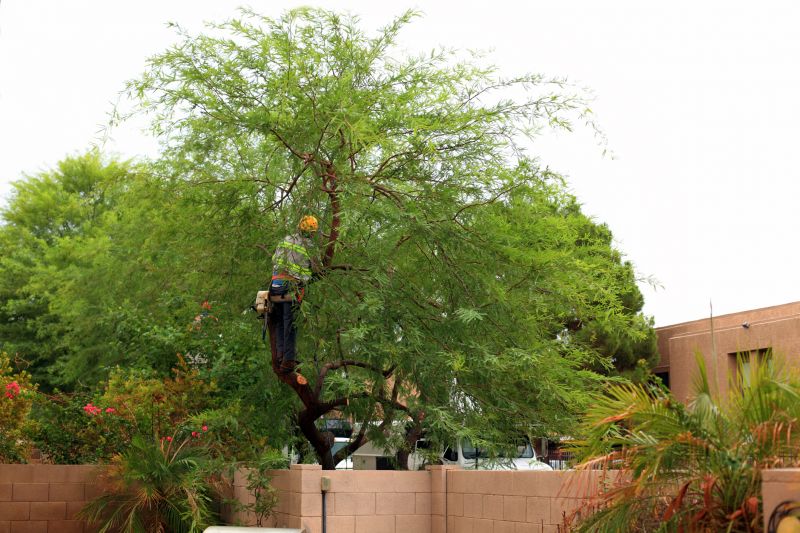
Tree curbing installation involves setting up a durable barrier around the base of trees to contain mulch, soil, or decorative materials. This service helps define landscaped areas and provides a clean, finished appearance to yards and gardens. Properly installed tree curbing can also prevent the spread of grass or weeds into mulch beds, making garden maintenance easier. When installed correctly by experienced contractors, tree curbing enhances the overall look of outdoor spaces while helping to protect tree roots from damage caused by equipment or foot traffic.
One common reason homeowners seek tree curbing installation is to address issues related to mulch displacement or erosion. Without a barrier, mulch can be scattered by wind, rain, or animals, leading to uneven coverage that exposes roots and diminishes the aesthetic appeal of landscaping. Tree curbing helps keep mulch in place, reducing the need for frequent replenishment and safeguarding the health of the tree by maintaining consistent moisture levels around the roots. It also helps prevent grass or weeds from encroaching into mulch beds, keeping the landscape tidy and easier to manage.
Tree curbing is often used on residential properties, including front yards, backyard gardens, and landscaped lawns. It is also common in commercial properties, parks, and community spaces where well-maintained landscaping is a priority. Properties with decorative plantings, flower beds, or young trees benefit from curbing to create clear boundaries and improve curb appeal. Whether for aesthetic reasons or functional protection, property owners turn to local contractors who specialize in tree curbing to ensure a professional, durable installation that complements the overall landscape design.
Homeowners who notice mulch spilling over or weeds creeping into their garden beds may find tree curbing to be a practical solution. It is also a helpful upgrade for properties with young or newly planted trees, as it offers added protection from lawn equipment and foot traffic. Additionally, those looking to improve the visual structure of their landscape or prevent erosion around tree bases often choose professional tree curbing installation. Contacting experienced local service providers can help determine the best type of curbing for specific property needs and ensure a clean, long-lasting result.
The overview below groups typical Tree Curbing Installation projects into broad ranges so you can see how smaller, mid-sized, and larger jobs often compare in your area.
In many markets, a large share of routine jobs stays in the lower and middle ranges, while only a smaller percentage of projects moves into the highest bands when the work is more complex or site conditions are harder than average.
Smaller Repairs - Most minor tree curbings, such as fixing a few damaged sections or trimming overgrown roots, typically cost between $250 and $600. Many routine maintenance jobs fall within this range, making them affordable options for quick fixes.
Standard Installation - Installing new curbings around a single tree or small landscape area usually ranges from $600 to $1,200. This is the typical cost for most standard projects handled by local contractors.
Large or Complex Projects - Larger, more intricate curbings involving multiple trees or detailed designs can range from $1,200 to $3,000 or more. Fewer projects reach this tier, but they are common for extensive landscaping efforts.
Full Replacement or Custom Designs - Complete removal and replacement of existing curbings or custom, decorative installations can exceed $3,000 and may reach $5,000+ for very elaborate projects. These are less frequent but fall within the higher end of typical costs.
Actual totals will depend on details like access to the work area, the scope of the project, and the materials selected, so use these as general starting points rather than exact figures.
Landscape Edging - local contractors who install durable landscape borders use similar tools and planning skills as those for tree curb installations to define garden beds and pathways.
Hardscaping Projects - professionals handling patios, walkways, and retaining walls often utilize similar planning and excavation techniques as tree curb installers.
Tree Planting Services - experts who plant trees require knowledge of soil preparation and site assessment, paralleling the skills used in curb installation around trees.
Garden Bed Construction - creating raised or bordered garden beds involves planning and materials handling comparable to tree curb installation work.
Irrigation System Installation - installing underground irrigation requires trenching and planning skills similar to those used in establishing tree curbing borders.
Soil Preparation and Grading - contractors who prepare land for planting or landscaping apply similar excavation and leveling techniques as in tree curb installation projects.
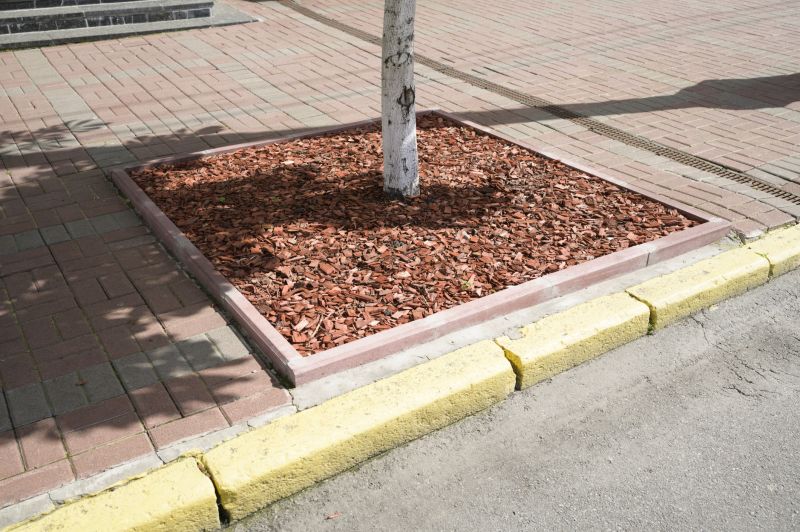
When evaluating potential service providers for tree curbing installation, it’s important to consider their experience with similar projects. Homeowners should inquire about how long a contractor has been performing curb installation and whether they have worked on properties comparable in size and landscape design. An experienced local contractor will typically have a portfolio of completed jobs that demonstrate their skill and familiarity with different types of terrain and tree varieties. This background can help ensure that the chosen professional understands the nuances of the work and can deliver results that meet expectations.
Clear, written expectations are a vital part of a successful project. Homeowners should seek out service providers who can provide detailed estimates or proposals that outline the scope of work, materials to be used, and any specific responsibilities. Having this information in writing helps prevent misunderstandings and provides a reference point throughout the project. It’s also beneficial to ask how the contractor communicates progress and handles questions or concerns, as good communication can foster a smoother experience from start to finish.
Reputable references and a history of positive feedback are key indicators of a dependable local contractor. Homeowners are encouraged to ask for references from past clients or look for reviews that highlight the contractor’s professionalism, reliability, and quality of work. Additionally, establishing open lines of communication early on can help gauge how well a service provider responds to inquiries and whether they prioritize customer needs. While the site introduces homeowners to local options, selecting a trusted and experienced professional who values clear communication and has a proven track record can contribute significantly to a successful tree curbing installation.
Property owners use Tree Curbing Installation services for practical projects around their homes and businesses. This guide focuses on everyday jobs and straightforward project options.
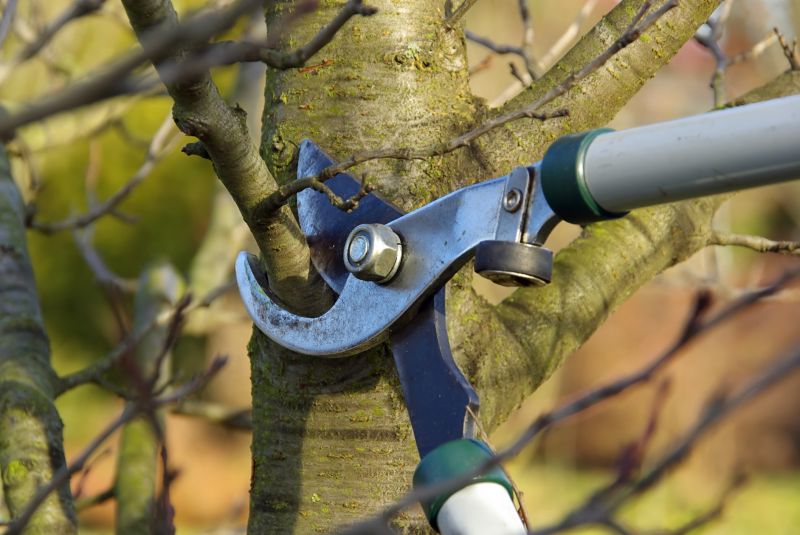
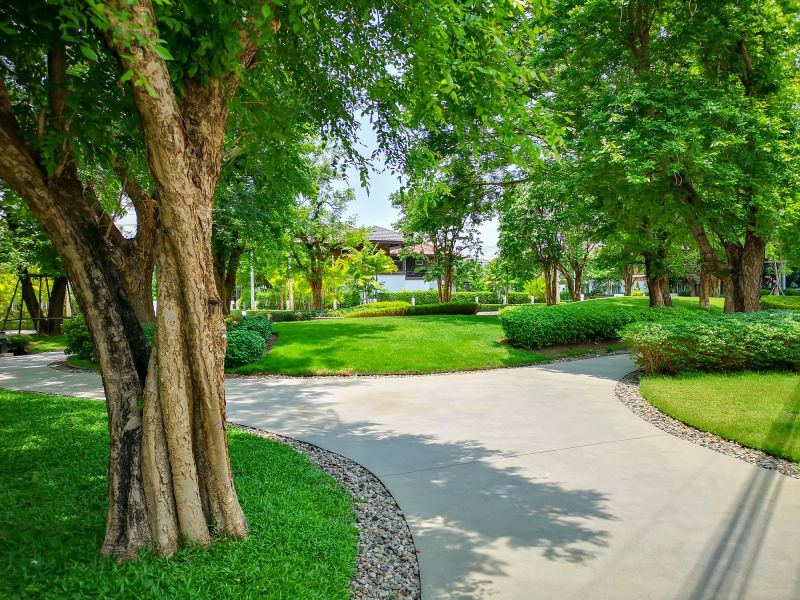
Tree curbing installation is a common project for property owners looking to improve the appearance and safety of their landscapes. Local contractors can help create neat, defined borders around trees and garden beds, preventing grass and weeds from encroaching and making maintenance easier. This service is often sought after when homeowners want to enhance curb appeal or establish clear boundaries to protect their property from damage caused by overgrown roots or falling debris.
Many property owners consider tree curbing installation after planting new trees or during routine landscape upgrades. It can also be useful for addressing issues with uneven terrain or preventing mulch and soil from spilling onto walkways and driveways. Local service providers can assist in selecting the right materials and styles to match the property’s aesthetic, ensuring a clean, polished look that complements the overall landscape design.
What is tree curbing installation? Tree curbing installation involves setting up a barrier or border around a tree's base to protect the root zone and enhance landscape appearance.
Why should I consider tree curbing around my trees? Tree curbing helps prevent damage from lawn equipment, controls weed growth, and can improve the overall health and aesthetics of trees.
What types of materials are used for tree curbing? Common materials include brick, stone, concrete, or metal edging, chosen to complement the landscape and provide durability.
How do local contractors determine the best curbing style for my property? Contractors assess the landscape design, tree species, and soil conditions to recommend suitable curbing options that suit the space.
Can tree curbing be installed around any type of tree? Most trees can have curbing installed, but the design may vary depending on the size, root system, and location of the tree.
Tree Curbing for Property Boundaries - Use tree curbing services to clearly define property lines and prevent encroachment issues with neighbors.
Tree Curbing for Landscape Design - Enhance the aesthetic appeal of a yard by installing tree curbing that complements existing landscaping features.
Tree Curbing for Safety and Accessibility - Install curbing around trees to create safe walking paths and reduce trip hazards in outdoor spaces.
Tree Curbing for Tree Protection - Use curbing to shield trees from lawn equipment damage and maintain their health during landscaping projects.
If you are thinking about Tree Curbing Installation for a property, this guide is meant to help you understand the work, the typical project types, and how different options might fit your plans.
When you are ready, you can use the quote form on this page to share a few details about your project. From there, local pros can review the basics and respond with options that match what you have in mind.